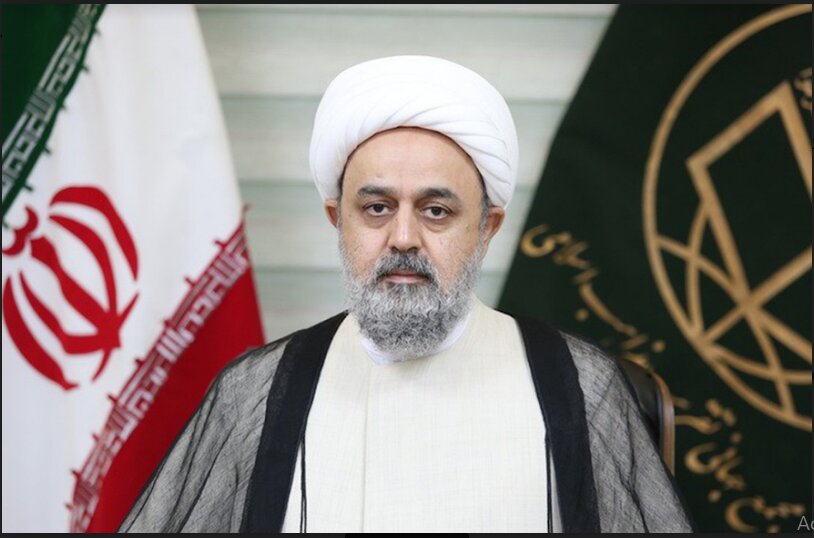

President of the Research Institute of Islamic Sciences and Culture: The Components of the Prophet’s (PBUH) Governance Serve as a Model for the Progress of Islamic Society
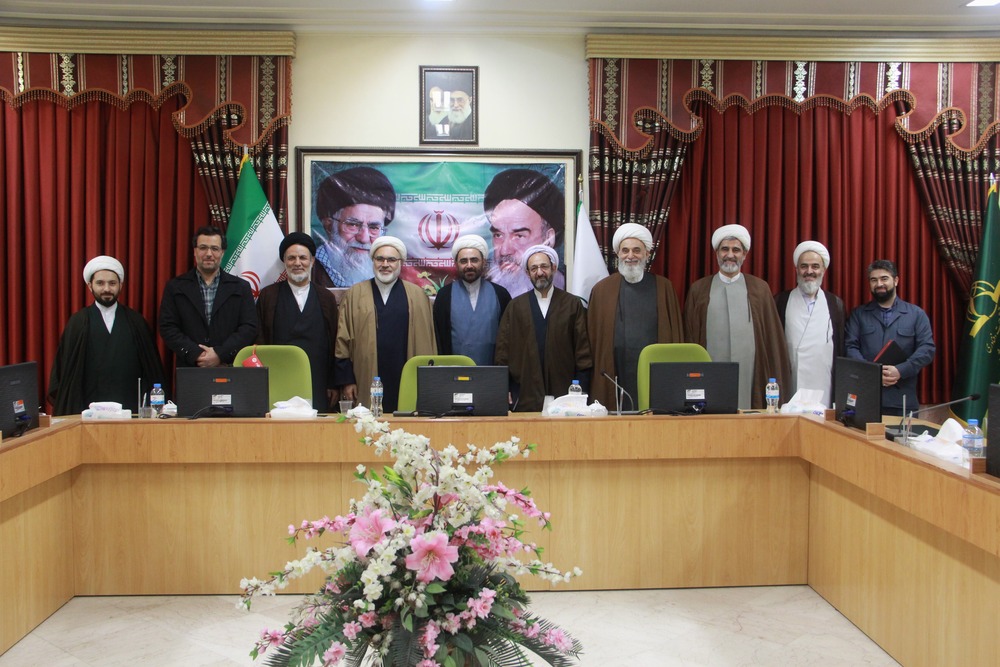
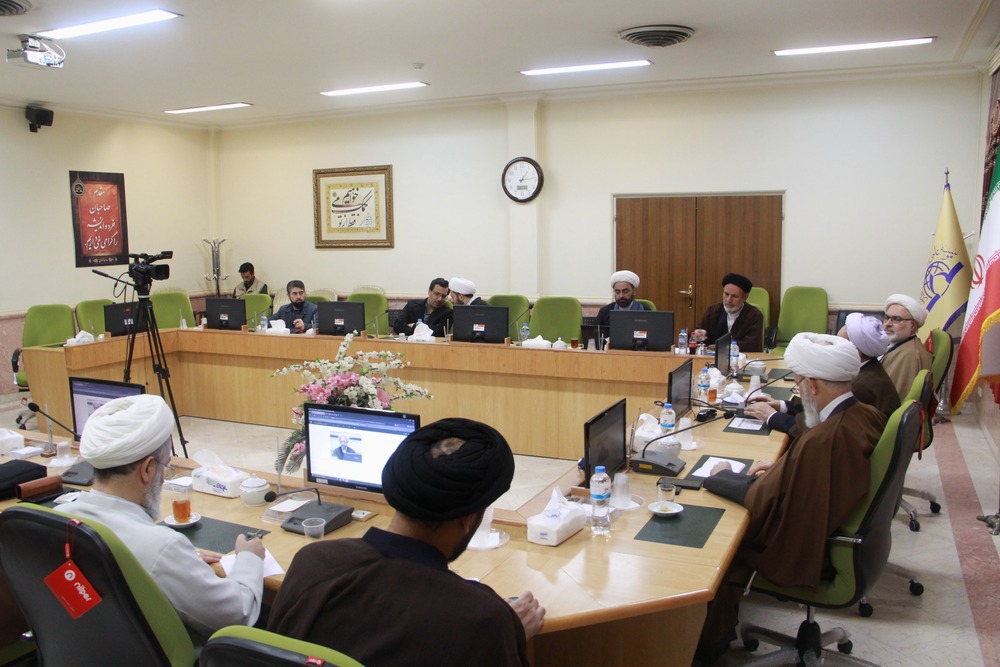
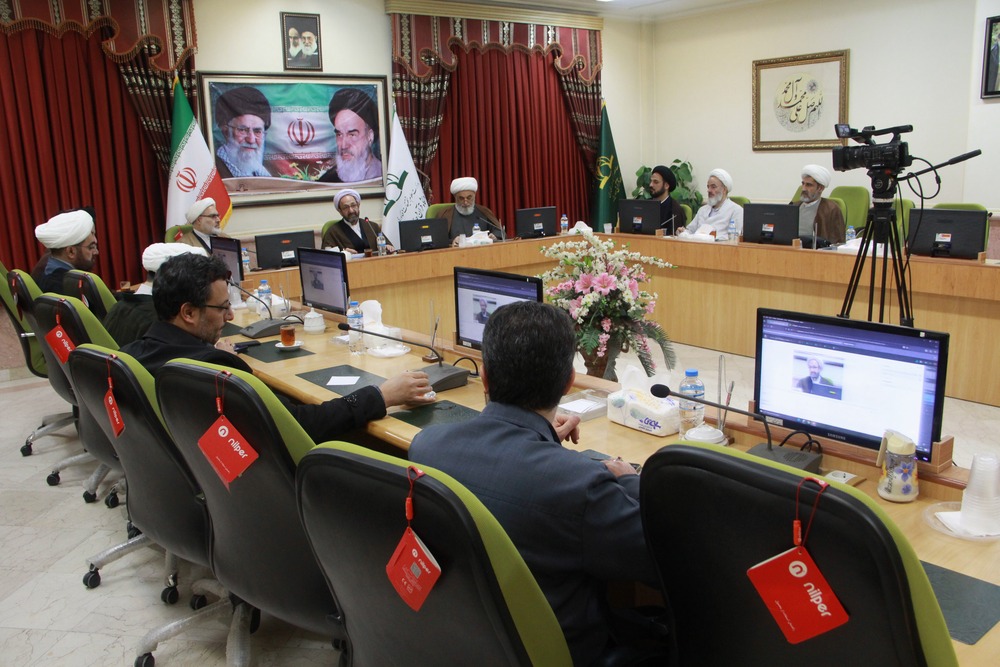
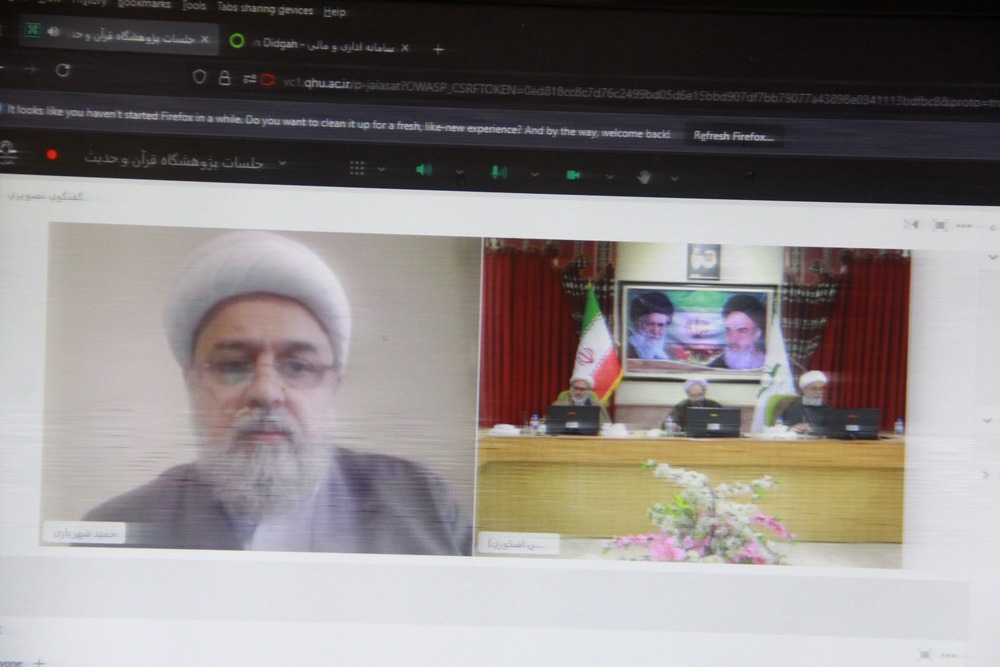
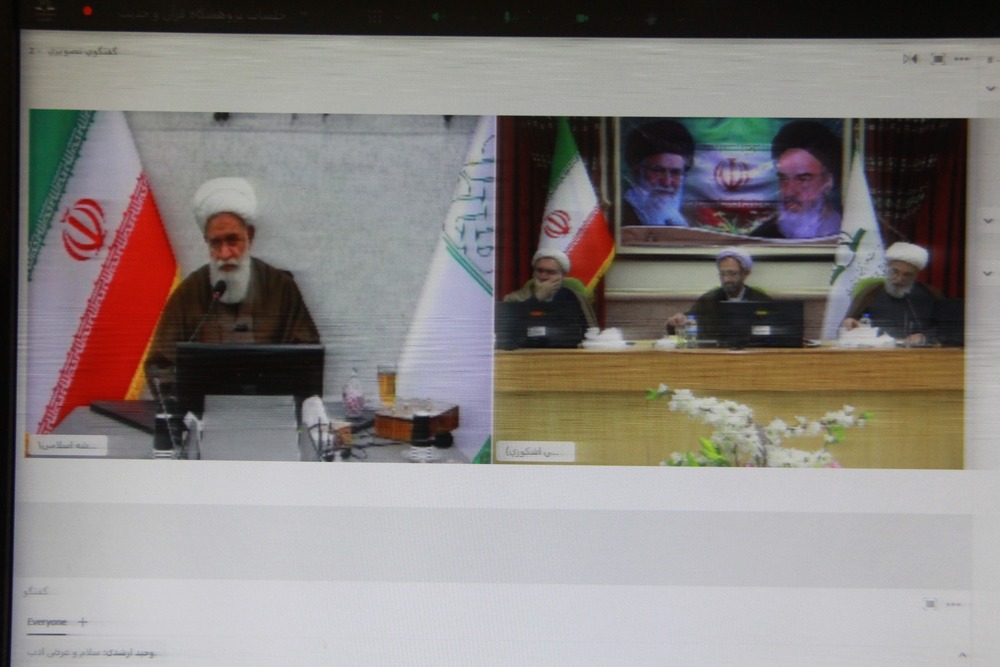
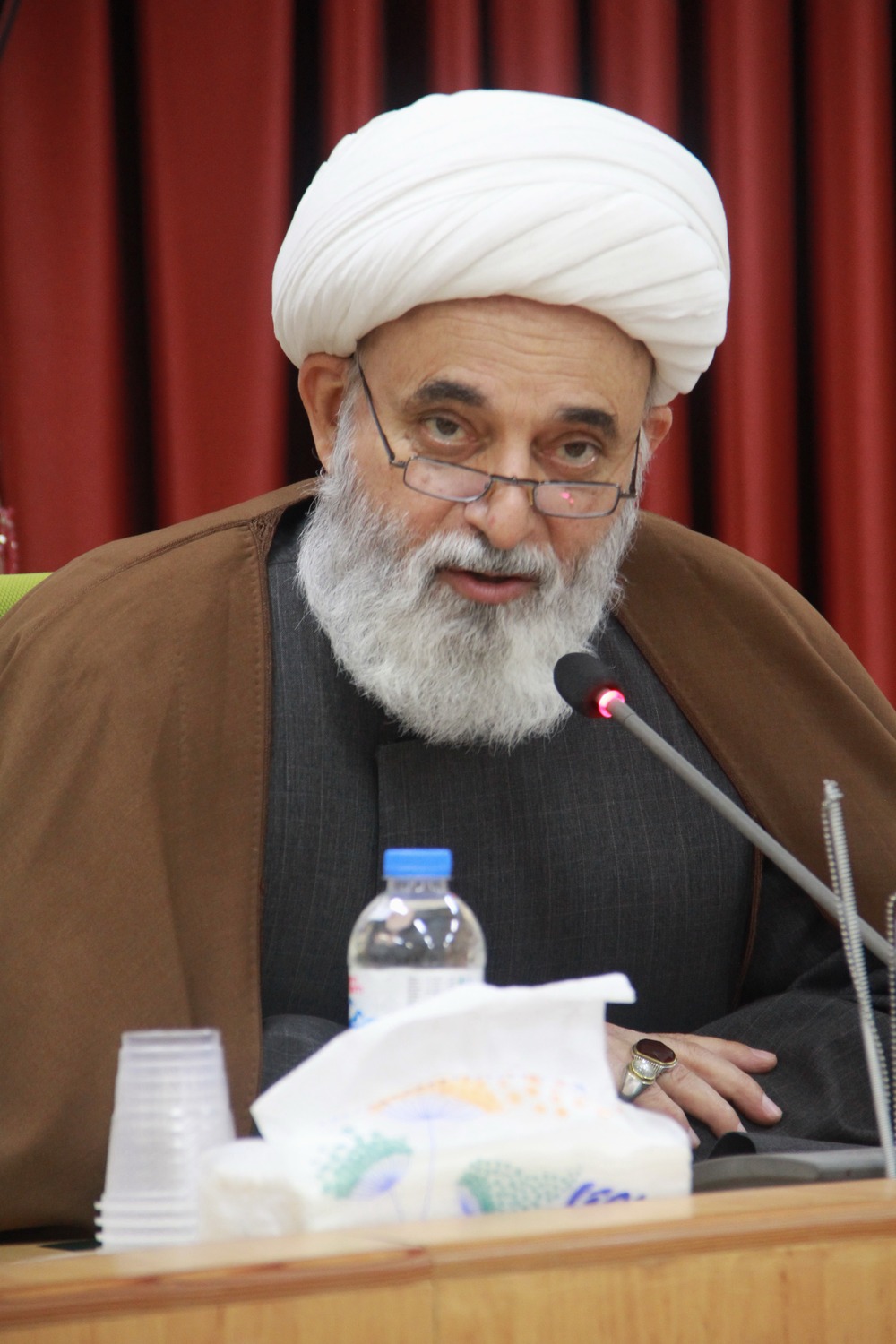
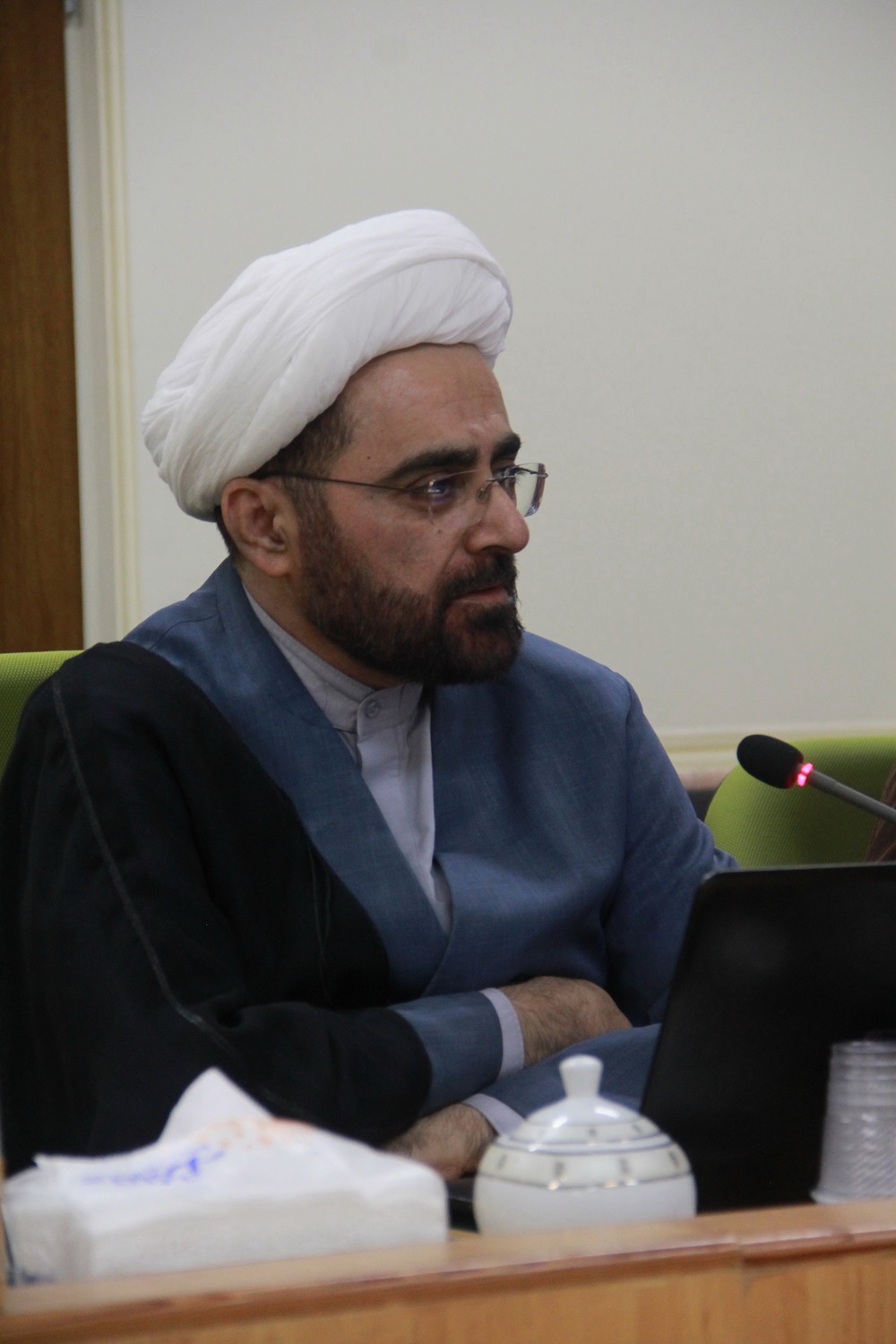
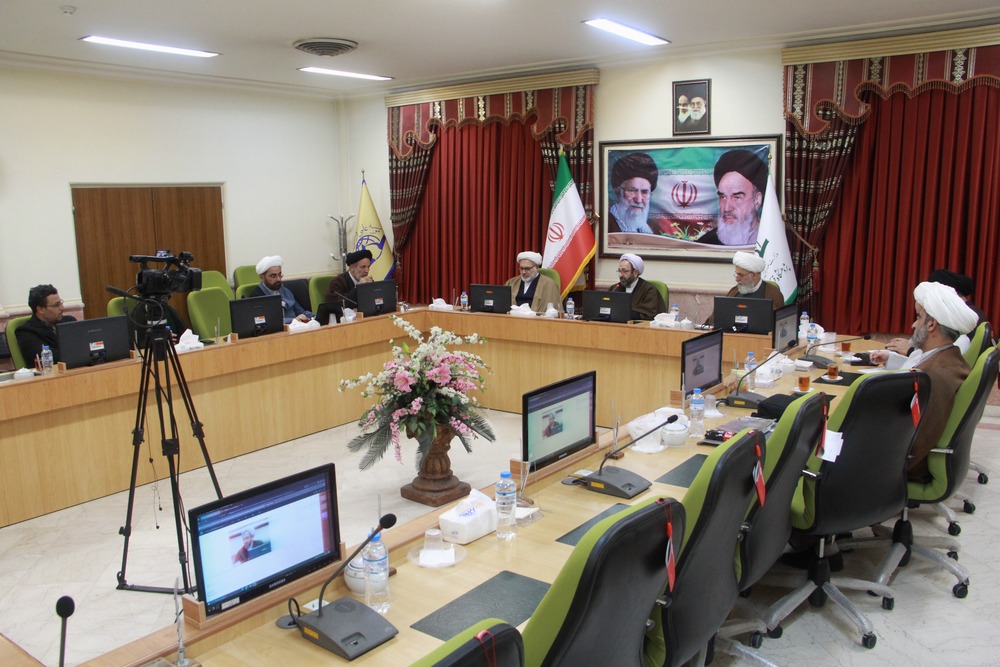
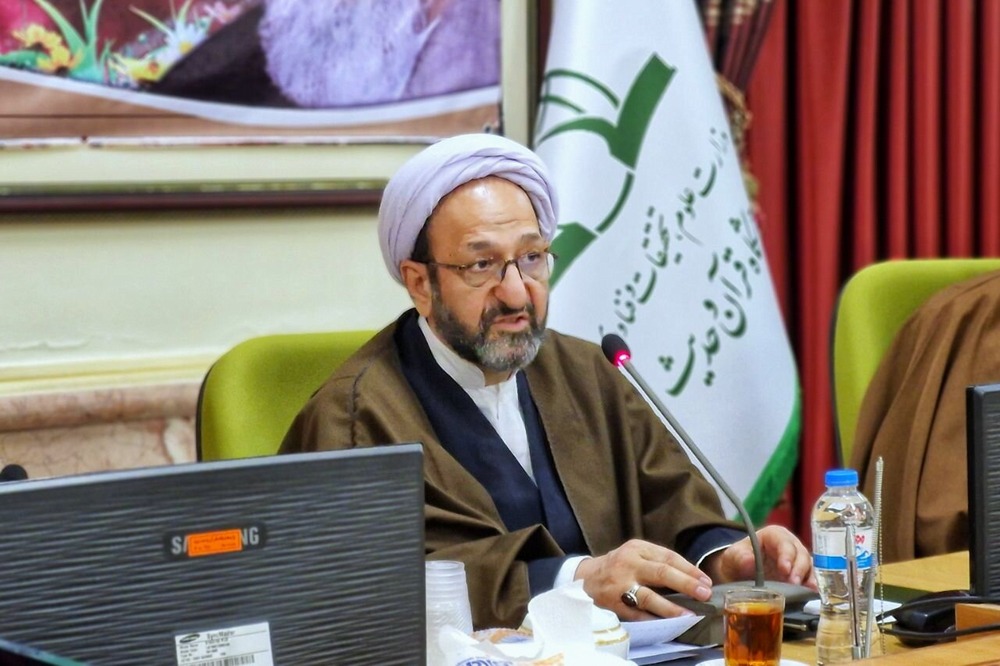
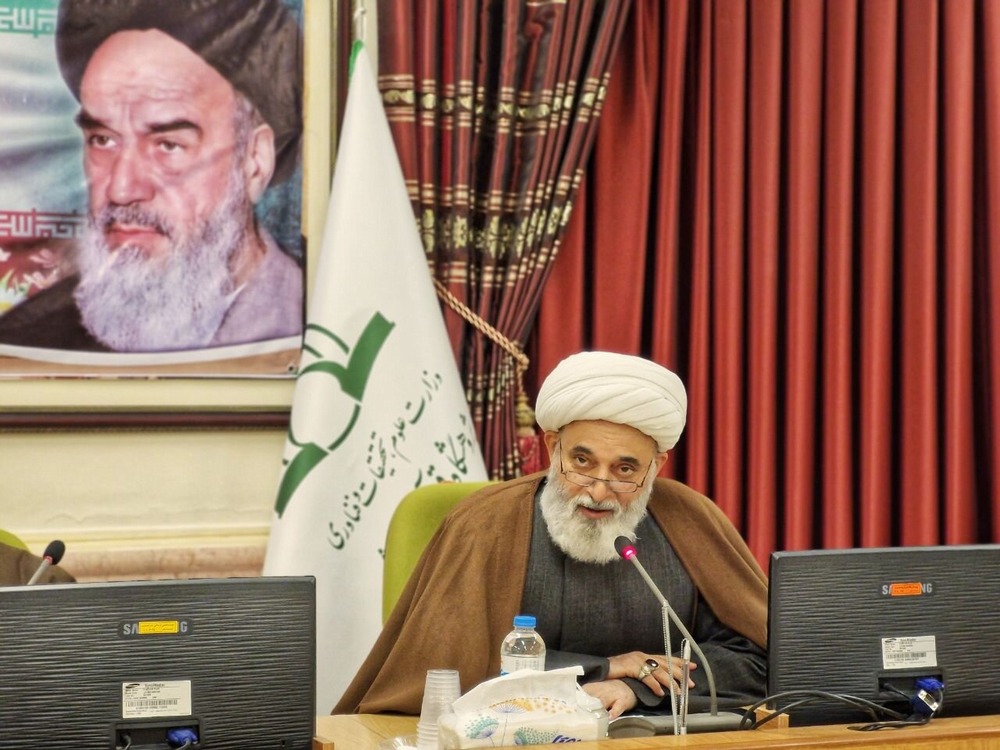
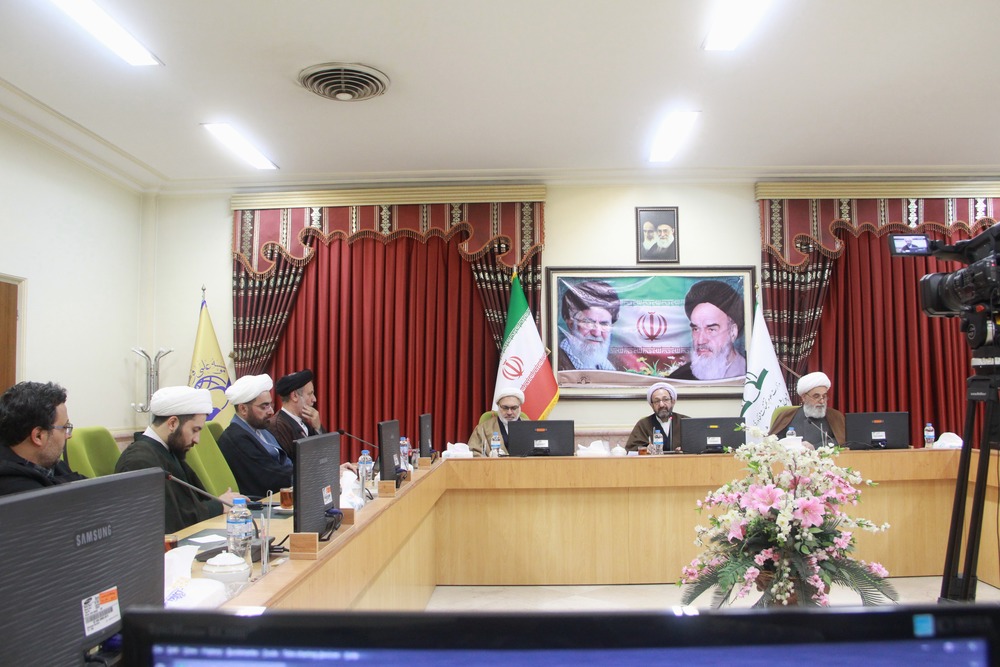
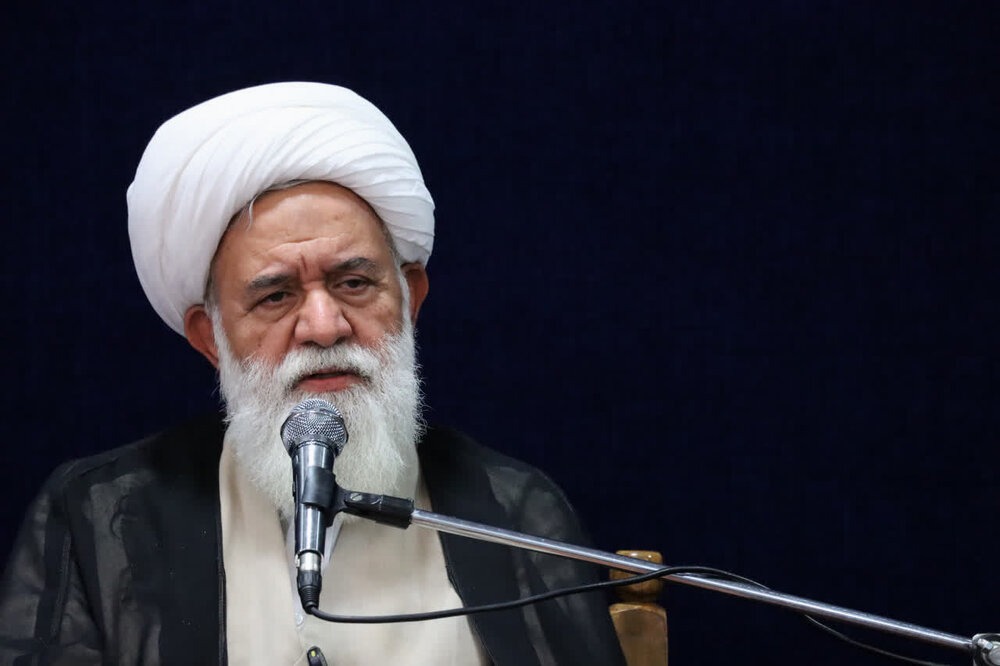
Hojjat al-Islam wal-Muslimeen Dr. Najaf Lakzaei stated at the opening of the Sixth Conference on Islamic Human Sciences: “Studying the Prophetic Sireh (conduct) within the framework of seven components of modern governance provides a practical model for the advancement of Islamic society.”
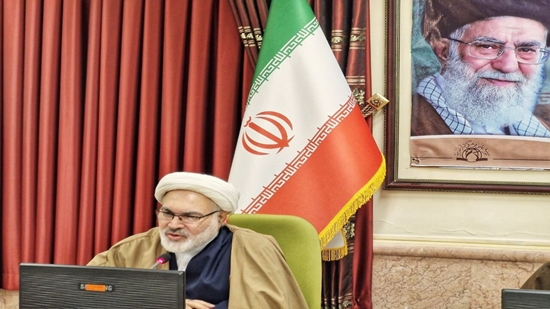
According to the Public Relations Office of the Quran and Hadith Research Institute, Referring to global scientific developments, the President of the Research Institute of Islamic Sciences and Culture noted that since the 1990s a new discipline called “Governance” has emerged. Modern governance is a soft technology that utilizes all human sciences—and even natural sciences—to achieve progress at national, regional, and global levels.
He stressed: “For us whose ultimate role model is the Messenger of Allah (peace be upon him and his family), it is extremely important to examine how the core components of governance in the Prophetic Sireh respond to the needs of managing and advancing society.”
The Seven Common Components in Governance Theories (According to a study conducted at the Martyr Beheshti School of Governance that analyzed nearly 200 definitions and theories):
- Modes/Styles of Governance: How the Prophet (PBUH) in just 23 years transformed a jahili (pre-Islamic) society into an advanced Islamic civilization.
- Actors/Stakeholders: How all relevant actors (government, civil institutions, economic forces, etc.) were brought together around one table.
- Functions of Governance: Policy-making, regulation (rule-setting and supervision), and facilitation (empowerment and removal of obstacles).
- Objectives of Governance: Comprehensive material and spiritual progress (unlike the contemporary Western model that focuses predominantly on economics).
- Style of Governance: Modern theories speak of pyramidal, market-based, and network styles; the Prophetic style is based on the “Wilayi (guardianship-based) order.”
- Scope of Governance: Expanding in time and space—universal, as emphasized by Quranic verses on the universality of the Prophet’s mission.
- Values: Traditions, norms, and preferences defined according to the underlying school of thought—in the Prophetic model, derived from revelation and tawhid.
Dr. Lakzaei concluded: “These seven components can serve as a systematic framework for studying the Prophetic Sireh in the field of governance, and we hope researchers will pay serious attention to and further develop this framework.”
To receive news and programs from the Research Institute of the Quran and Hadith via the Eitaa messenger:
https://eitaa.com/quran_hadith
Original Source of the News

Reporter
website manager
photo