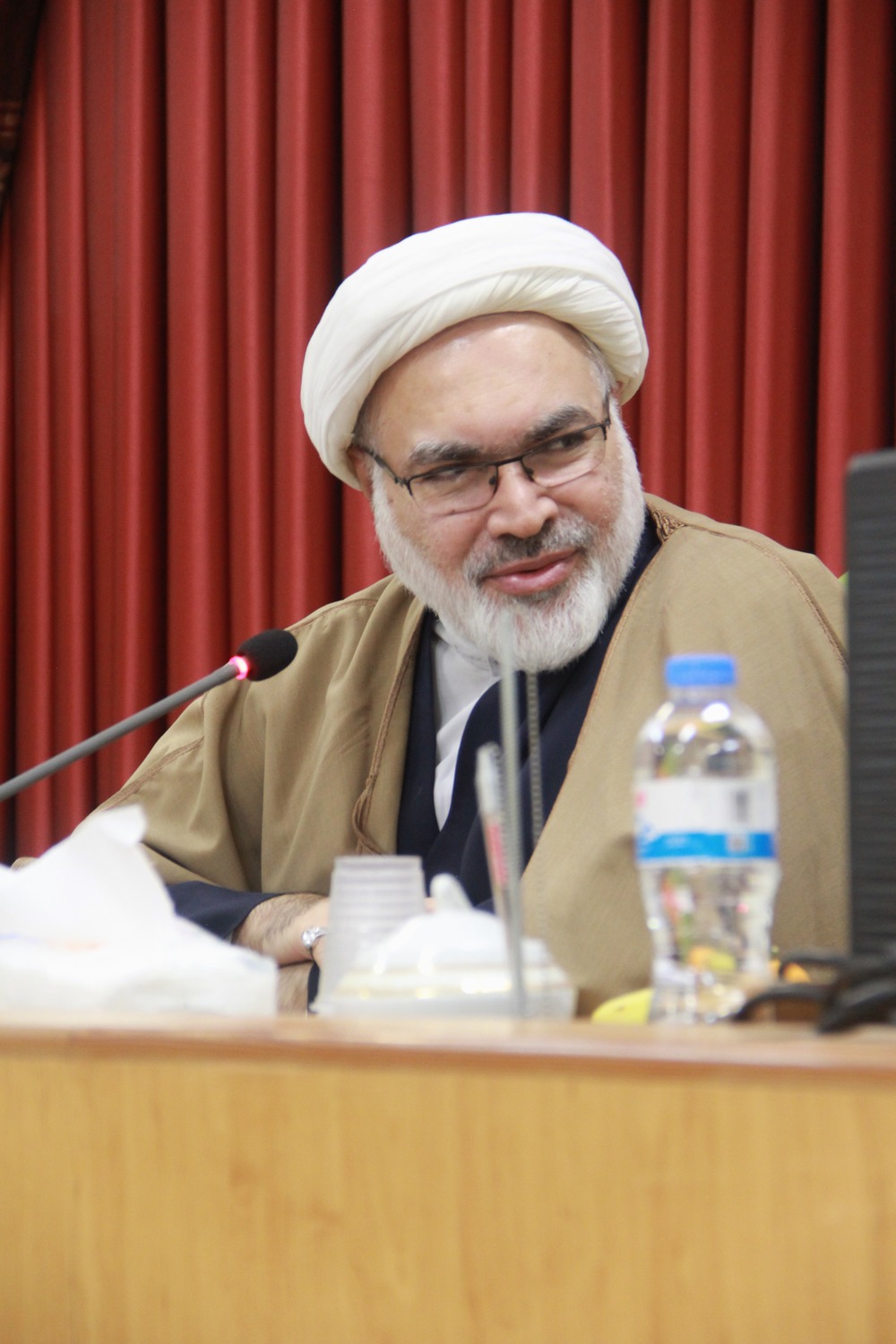

Ayatollah Rashad: Classification of Sciences Requires Re-reading Based on Human-Building Logic
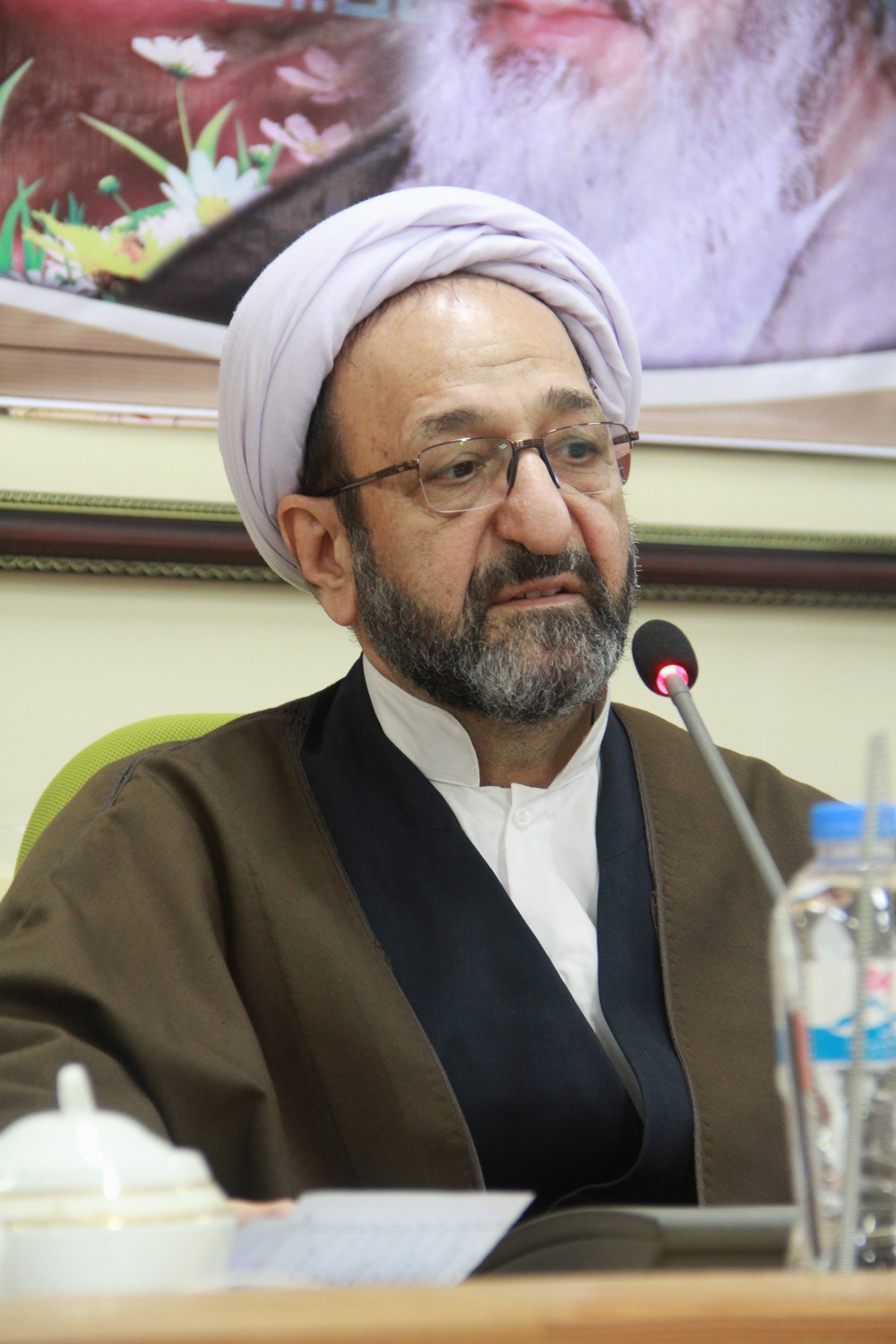
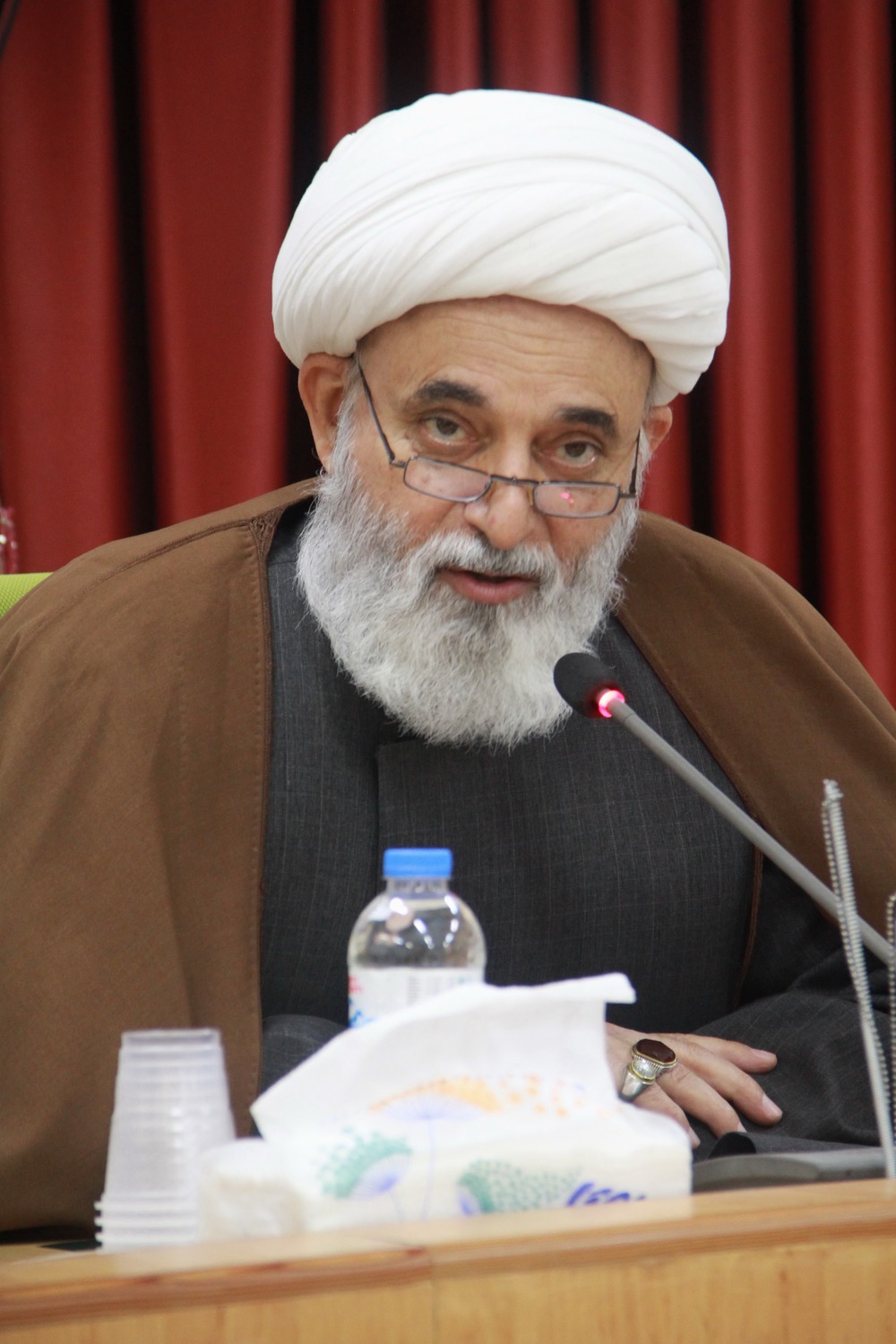
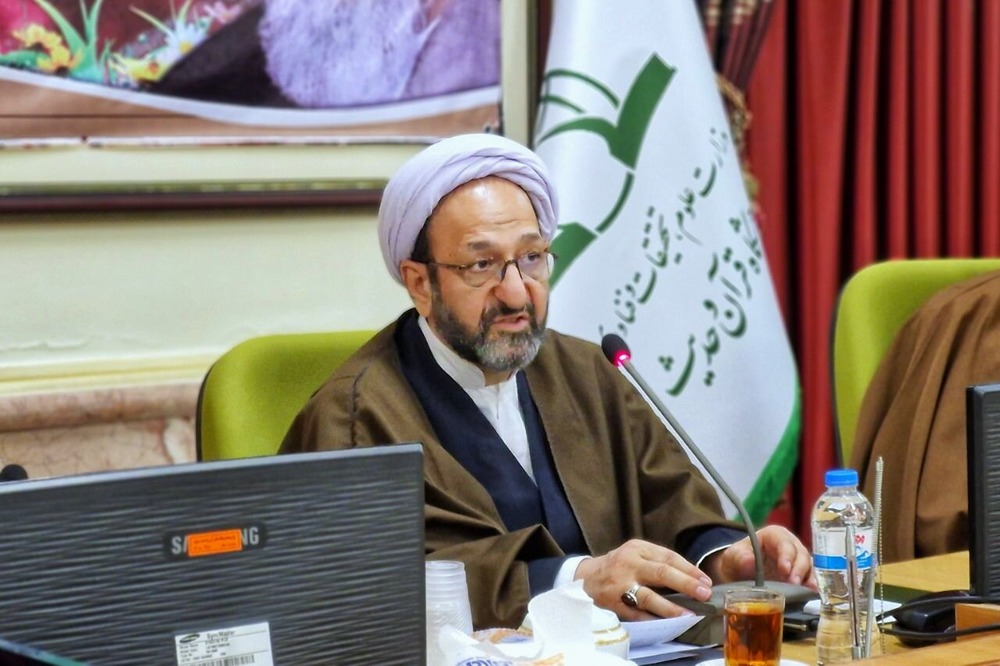
Ayatollah Ali Akbar Rashad, President of the Research Institute for Islamic Culture and Thought, proposed the approach of “Desirable Engineering of Knowledge” and stated: “Every science has five components: principles (mabādi), subject matter (mawḍū‘), problems (masā’il), logic (mantiq), and end/purpose (ghāyah). The harmony among these five components is the criterion for the unity and distinction of sciences.”
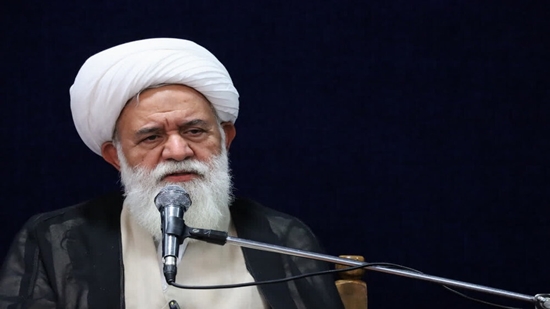
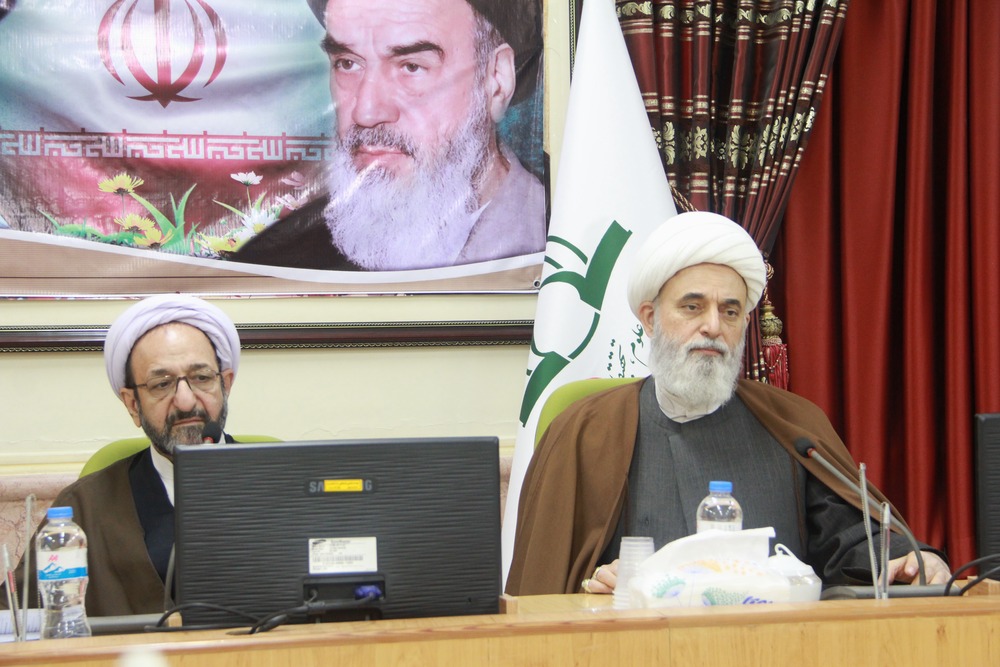
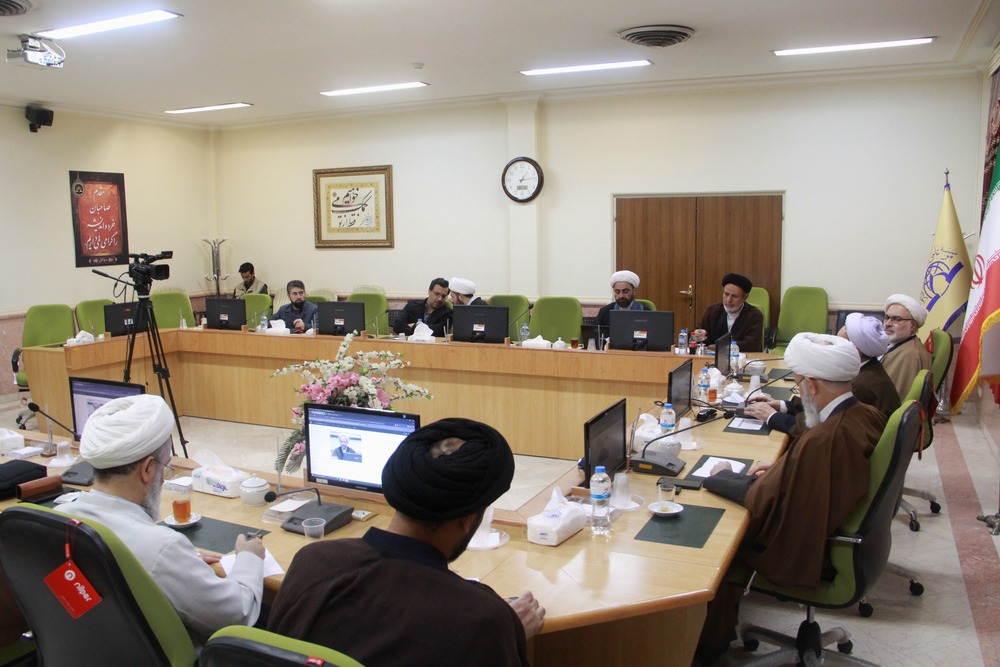
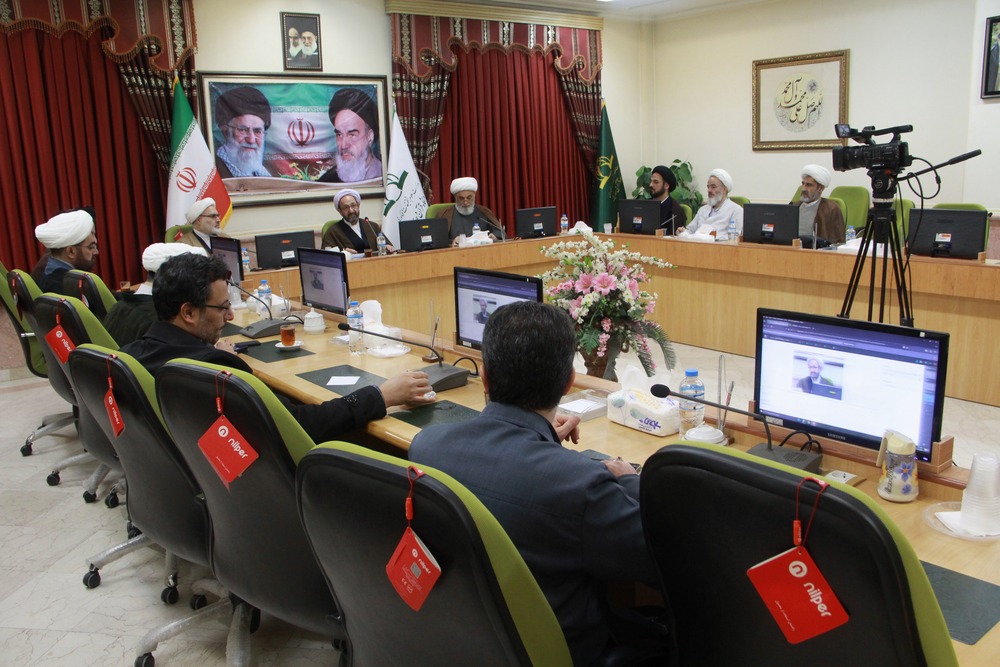
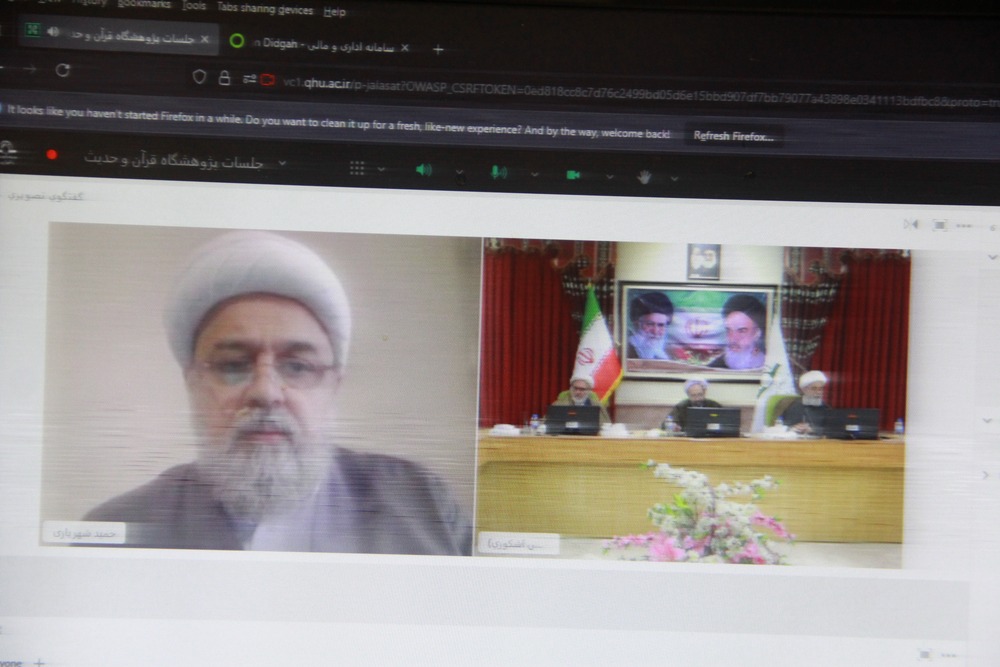
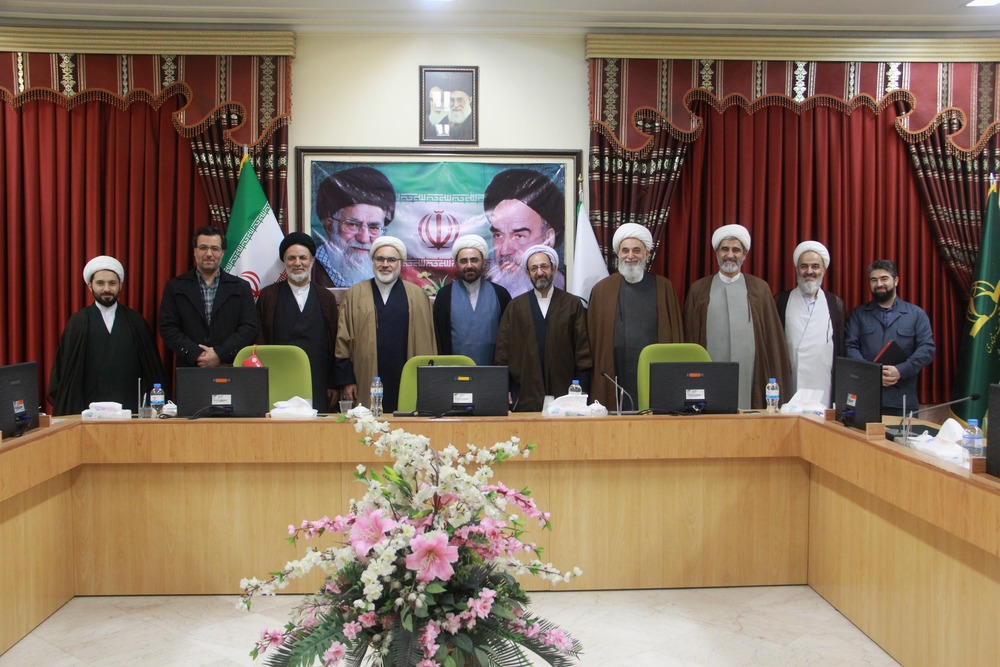
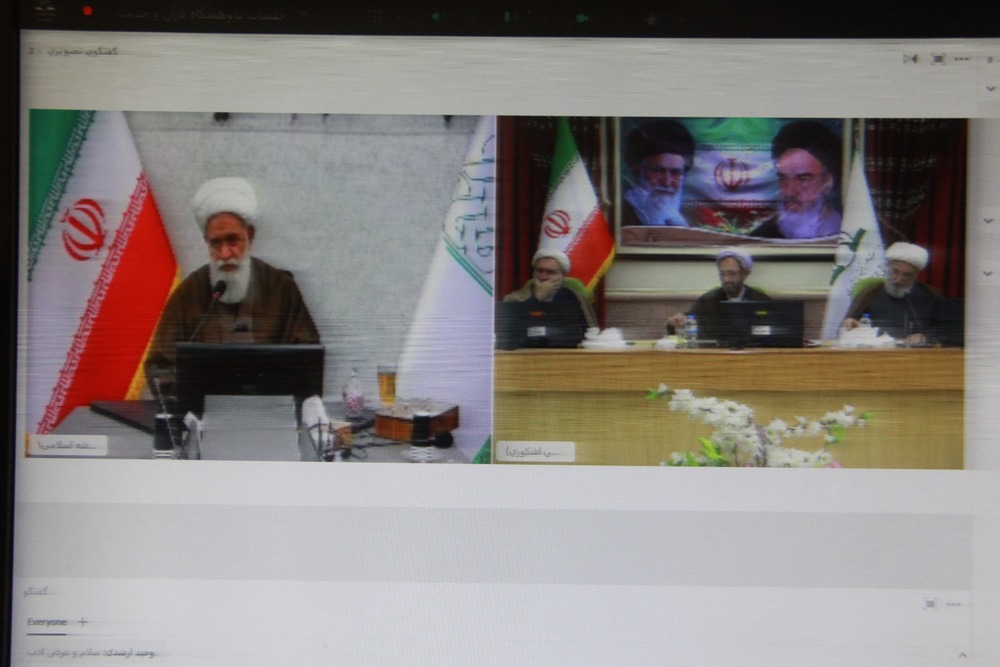
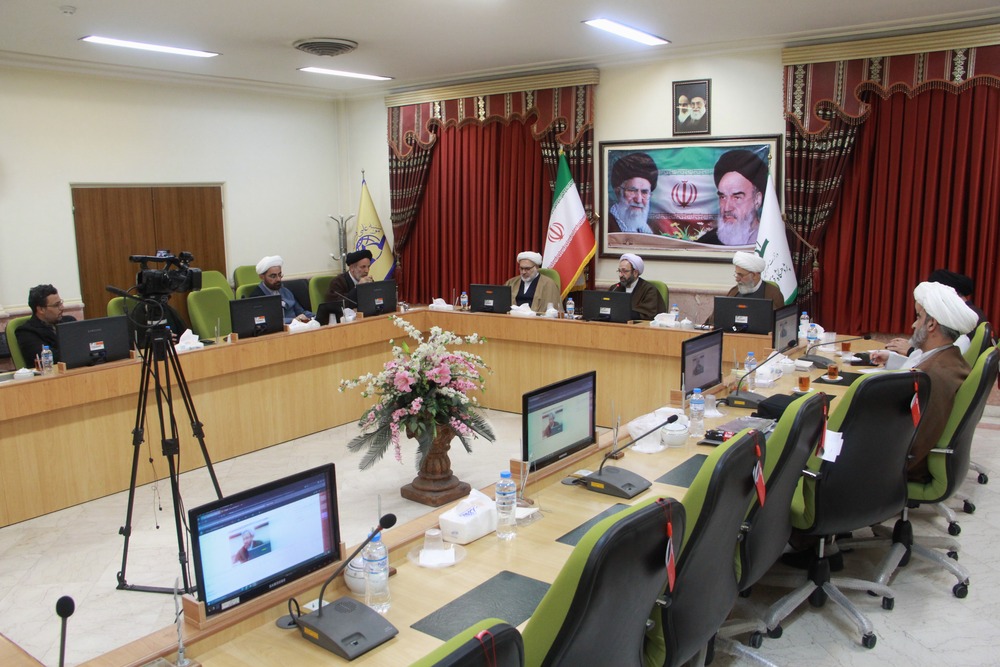
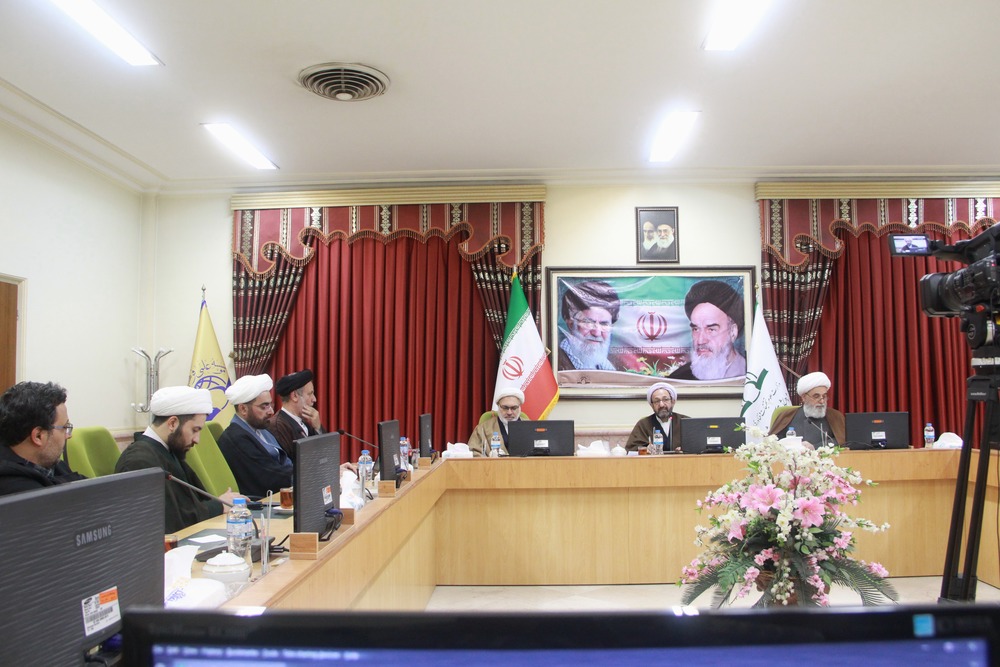
According to the Public Relations Office of the Quran and Hadith Research Institute, Ayatollah Ali Akbar Rashad spoke at the opening ceremony of the Islamic Human Sciences Conference titled “The School and Conduct of the Prophet (pbuh): Human-Building and Society-Building Islamic Human Sciences,” held at the Quran and Hadith Research Institute. He reviewed the topics of previous years:
- 2020: nature and identity of human sciences
- 2021: discipline-specific philosophies
- 2022: necessity of institutional mapping for producing Islamic human sciences
- 2023: concrete anthropology or concrete human sciences
- 2024: the role of the maqāṣid al-sharī‘ah in producing Islamic human sciences.
He explained this year’s topic: “This year we want to discuss the model for classifying sciences, particularly the human sciences. Naming a set of disciplines ‘human sciences’ is based on a specific epistemological framework that can be studied.”
Two Approaches to Classifying Sciences: A Posteriori and A Priori
The distinguished scholar of seminary and university pointed to two approaches in classifying sciences:
- A posteriori approach: Taking existing sciences and the current state as the basis and then studying them.
- A priori approach: Not historical, but logical—looking at the grand engineering of human knowledge as it ought to be and as it should be—and arriving at a different classification.
He defined the a posteriori approach as: “Describing the unity and distinction of existing realized sciences—i.e., drawing the geography of humanity’s epistemological heritage and determining the position of each group of knowledge and each individual science among its peers according to specific criteria.”
Regarding the a priori approach, he said: “Attention is paid to the logic of man and what ought to be and what is desirable for us—that is, the desirable engineering of knowledge. In detail: structuring a dynamic, evolving pyramidal network of the totality of knowledge by measuring the constitutive pillar-components of sciences against one another. ‘Pyramidal network’ means the interrelations of sciences; ‘dynamic and evolving’ means the classification is not merely descriptive but also directive, developmental, and comprehensive of all sciences.”
He referred to the foundational theory of the proposed model: “We have a basis for the criterion of unity and distinction of sciences: every science has five components—principles, subject matter, problems, logic, and purpose. None of the existing theories on the criterion of unity and distinction of sciences are defensible.”
Criticizing common theories, he added: “Some of them simply do not apply to certain sciences and each has counterexamples. Our theory holds that if these five components are proportionate and consistent with one another, a coherent epistemological system is formed that is called a science.”
He concluded on the application of this theory: “If we accept this logic, we can determine the entire set of sciences based on the criterion of relations and distance-relations that cause them to be placed together or in one group. Thus, we can present a new model for classifying sciences.”
To receive news and programs from the Research Institute of the Quran and Hadith via the Eitaa messenger:
https://eitaa.com/quran_hadith
Original Source of the News

Reporter
website manager
photo